An air waybill (AWB) is the key document behind every air cargo shipment, yet exporters often confuse it with a bill of lading. Knowing why it cannot transfer ownership can save you costly delays.
What Is an Air Waybill?
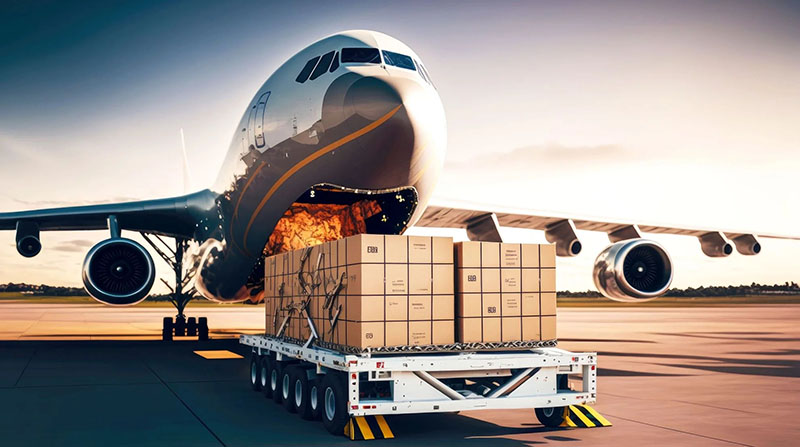
An air waybill is a contract of carriage issued by an airline or its agent when cargo is accepted for a flight. It confirms receipt of goods and lists the shipper, consignee, cargo description, and weight. Every AWB carries an 11-digit number: a 3-digit airline prefix, a 7-digit serial number, and a check digit. IATA made the electronic AWB the default in 2019, so most shipments now move on a paperless record.
Master AWB vs House AWB
Book directly with an airline and you get a Master Air Waybill (MAWB), the carrier's contract for the flight. Book through a forwarder like Pioneer Express, and it issues a House Air Waybill (HAWB) while holding the MAWB, consolidating cargo for better rates. Unlike ocean freight, an AWB is always non-negotiable: the named consignee collects the goods without an original document. A bill of lading, by contrast, can act as a document of title and be pledged for financing.
Practical Example
Pioneer Express books a 500 kg, 3 CBM shipment of surgical instruments from Karachi to Dubai. Volumetric weight is 3 CBM x 167 kg/CBM = 501 kg, so the airline bills 501 kg, not 500 kg. It issues one Master AWB for the flight, and since the cargo is consolidated with three other exporters, each gets a separate House AWB referencing that master number.
Common Mistakes
- Treating a House AWB as a negotiable title document.
- Not checking the AWB number against the airline prefix.
- Leaving the consignee field vague; an AWB cannot be "to order."
- Assuming a station still needs paper over e-AWB.
Expert Tips
- Get the Master AWB number to track the actual flight.
- Match the AWB cargo description to your invoice and packing list.
- Buy separate cargo insurance; carrier liability is capped per kilogram.
- Confirm the destination station accepts e-AWB before booking.
FAQ
Is an air waybill the same as a bill of lading?
No. Only a bill of lading can be a negotiable document of title; an air waybill is always non-negotiable.
Who issues the air waybill?
The airline issues the Master AWB; a forwarder issues you a House AWB referencing it.
What if AWB details do not match my invoice?
Customs at destination can hold the shipment for verification, causing delays and charges.
Is a paper AWB still required?
No. Electronic AWB is now the default on most major trade lanes out of Pakistan.
Can a House AWB secure bank financing?
Rarely. Check your letter of credit terms, since banks generally want a negotiable document.
Conclusion
Getting your air waybill right, from consignee details to matching cargo descriptions, helps you avoid delays. Pioneer Express handles AWB issuance and customs documentation for every shipment, so request a quote today and let our team move your cargo smoothly.